Type 2 Diabetes (T2D)
Diabetes
Type 2 Diabetes Introduction
- Nature of the Disease:Type 2 diabetes (T2D) is a metabolic disease caused by insulin resistance and insufficient insulin secretion.
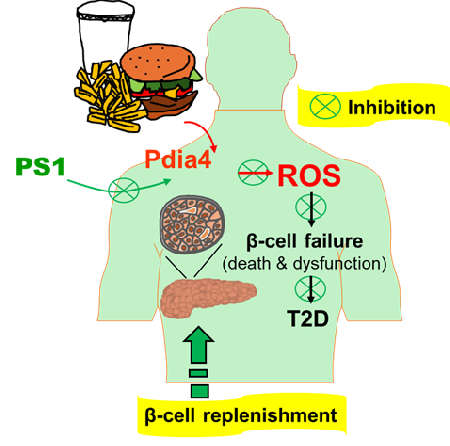
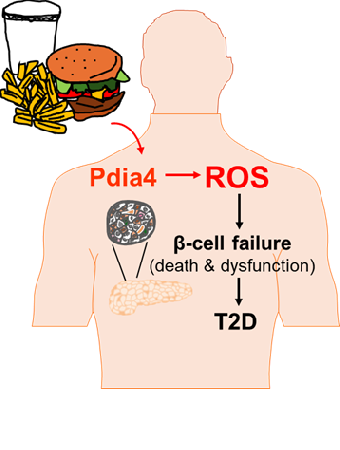
- Pathological Mechanism: The body's cells become less responsive to insulin (insulin resistance), leading the pancreas to produce more insulin to maintain blood glucose levels, eventually causing pancreatic cell failure.
- Typical Onset Age: T2D usually develops in adulthood, but with the rise in obesity, there is a trend of younger onset.
- Primary Impact: In the early stages, it can be managed with diet, exercise, and oral medications. If the condition progresses to pancreatic cell failure, insulin supplementation becomes necessary.
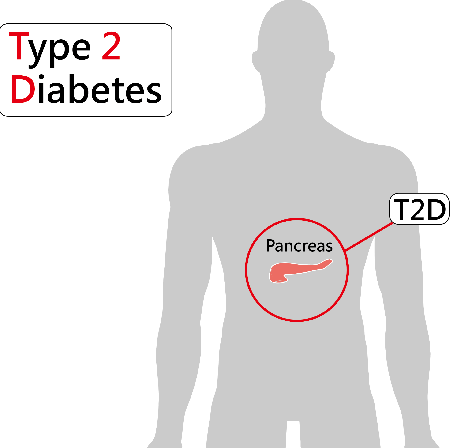
Type 2 Diabetes
It originates from insulin resistance and insufficient insulin secretion, typically developing in adulthood. Current treatment options include diet control, exercise, and medication, with some patients requiring insulin supplementation in later stages.
Pipeline
Product
(Development Code)
(Development Code)
Indication
Preclinical
Phase I
Phase II
Phase III
PS1(PS-001)
Type 2 Diabetes
Excess nutrients
PS1 treatment